FEATURED
Airlines Confidential Features Founder & CEO of EERO Group Inc.
Dr. Jeremy Stone sits down with Airlines Confidential to trace a straight line from Eero Saarinen's original 1962 Dulles mobile lounge vision to EERO NEXUS today. The conversation covers why Cost per Enplanement has become the industry's defining metric, how airports like Chicago and Dulles are wrestling with billion-dollar capacity decisions, and why gate velocity — not more concrete — may be the more efficient path forward. A candid look at the thinking behind NEXUS, from the people building it.
PUBLICATIONS
What we've written

Drawing on data from major hubs including Heathrow and Washington Dulles, the paper shows how EERO NEXUS cuts PRM handling costs by 70% or more, delivers hundreds of millions in annual savings across the network, reduces operational risk for airlines, and unlocks significant latent demand from travelers who currently avoid flying due to poor accessibility experiences.
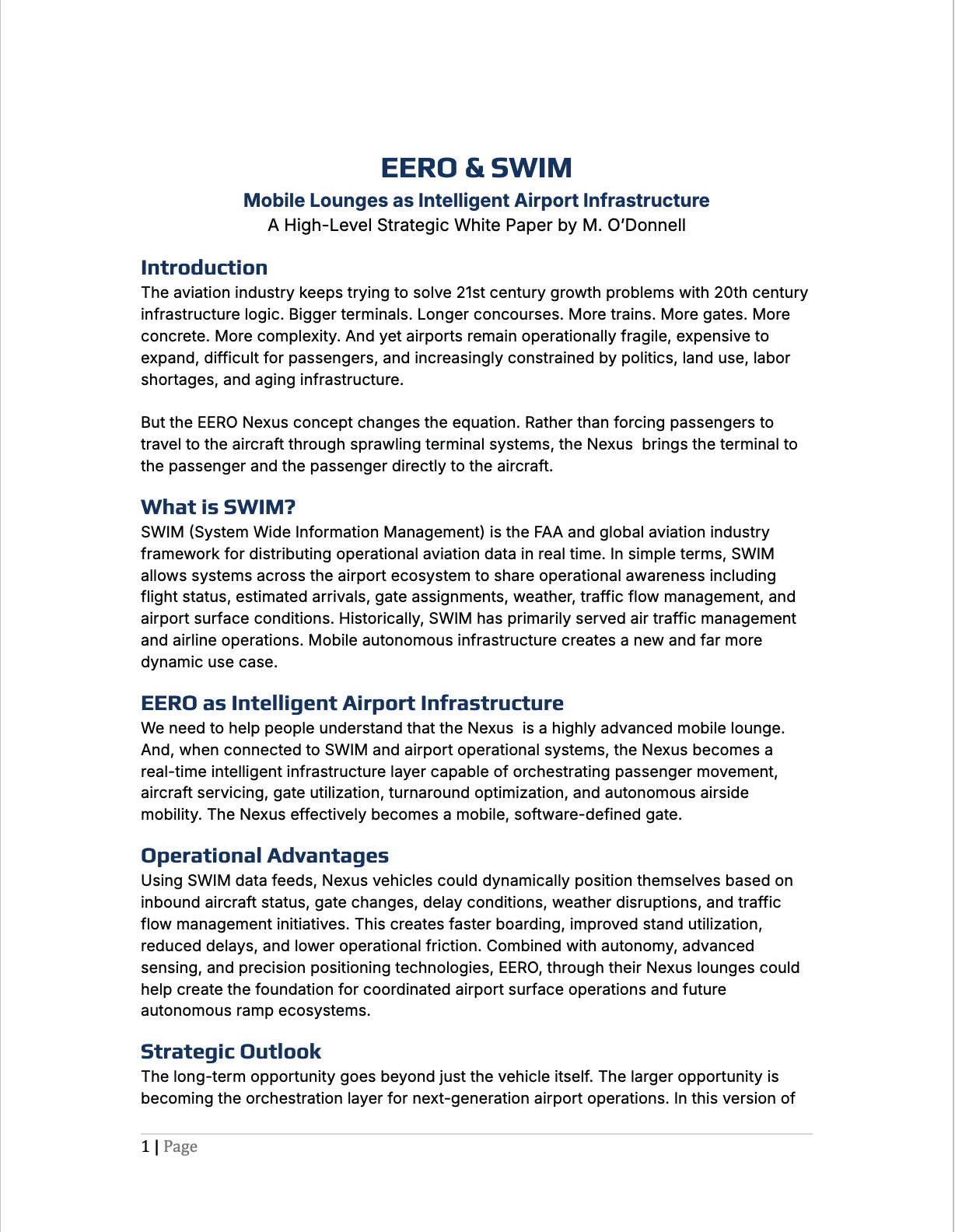
By integrating real-time operational data from the FAA’s System Wide Information Management (SWIM) framework, EERO NEXUS vehicles can dynamically position themselves, optimize aircraft turnarounds, reduce delays, and contribute valuable operational intelligence back into airport systems. The paper outlines how this approach creates a software-defined, data-driven layer that improves efficiency, lowers infrastructure costs, and supports the evolution toward autonomous airport operations.
Media
NEXUS in Motion
Multi-Unit Operational Simulation
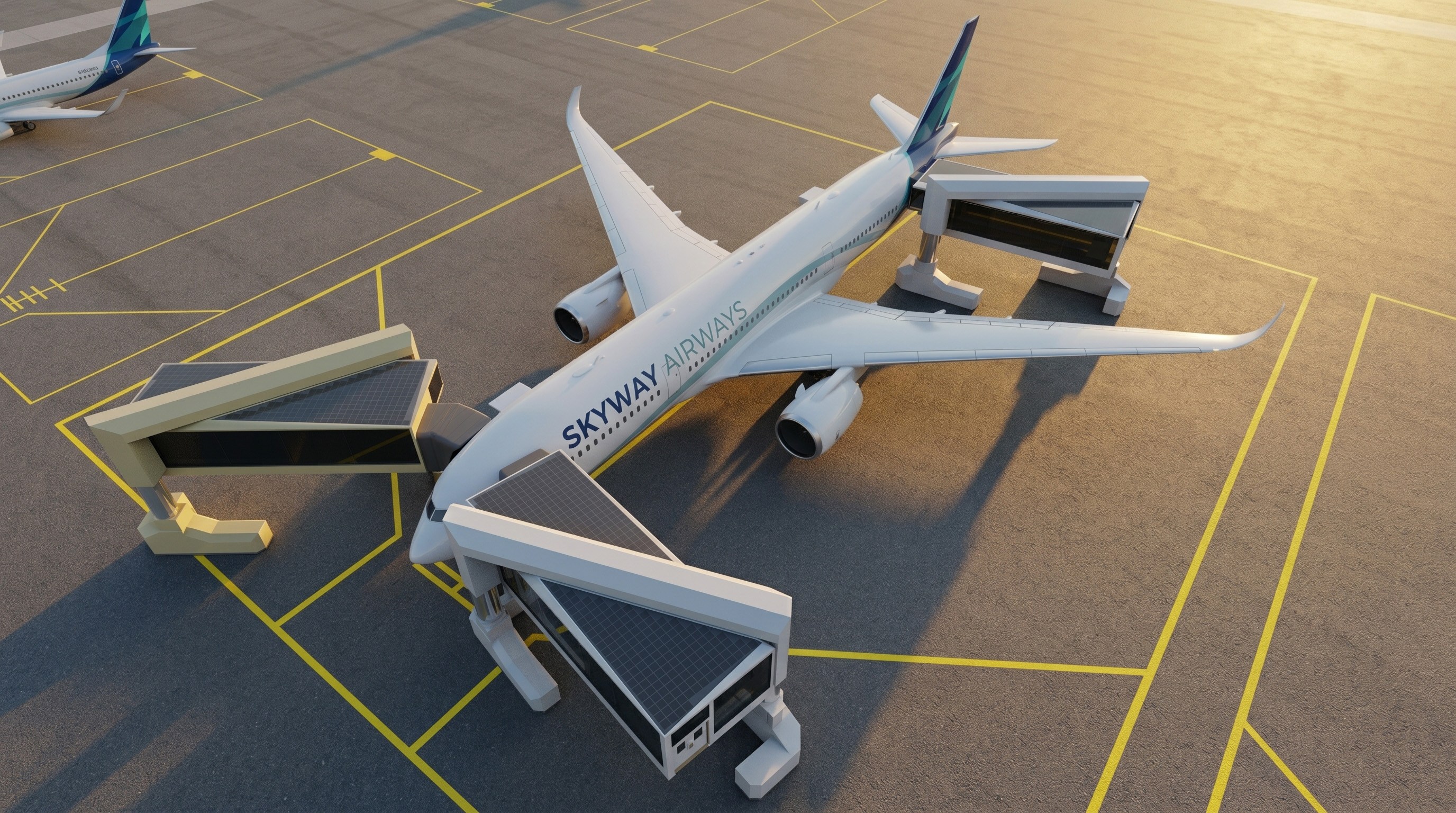
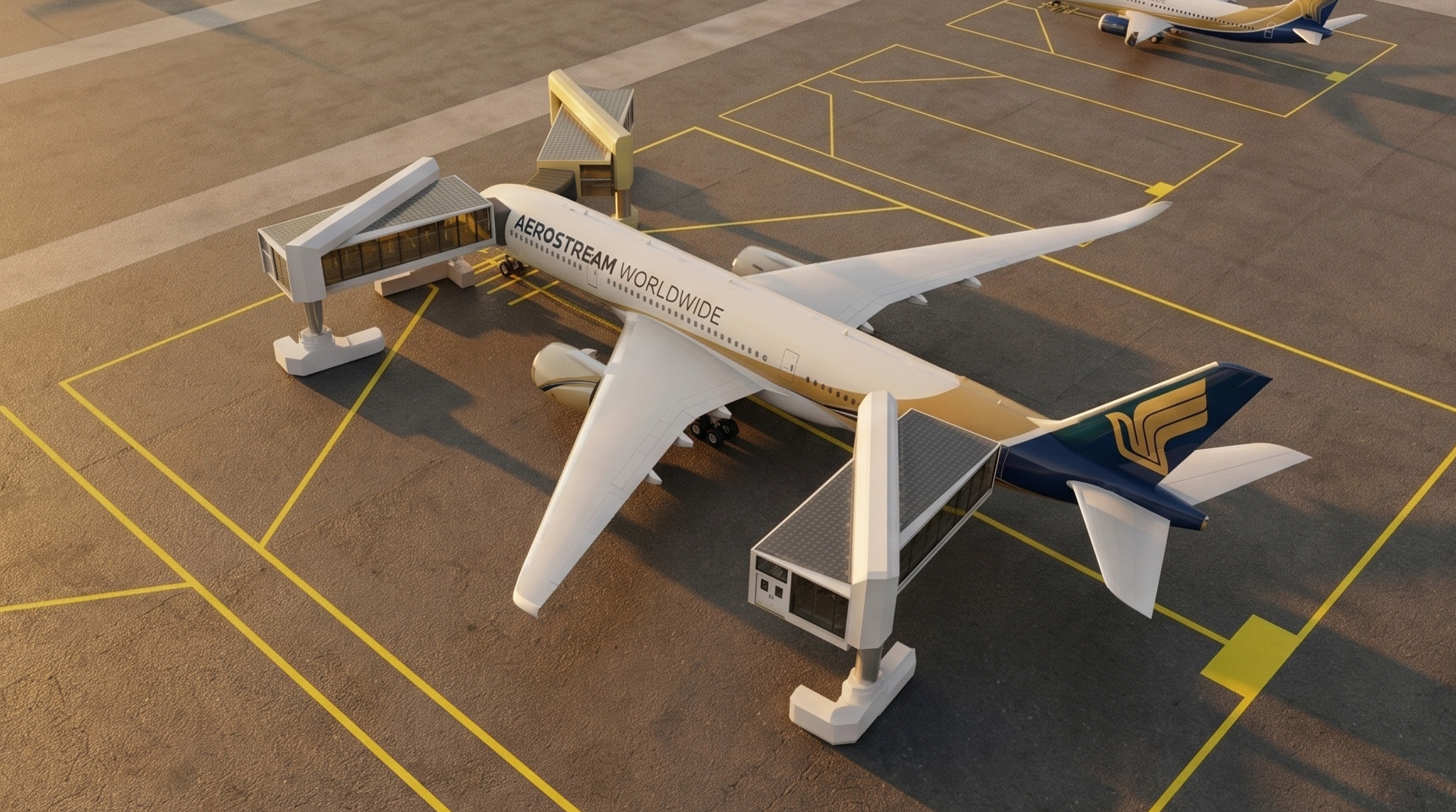
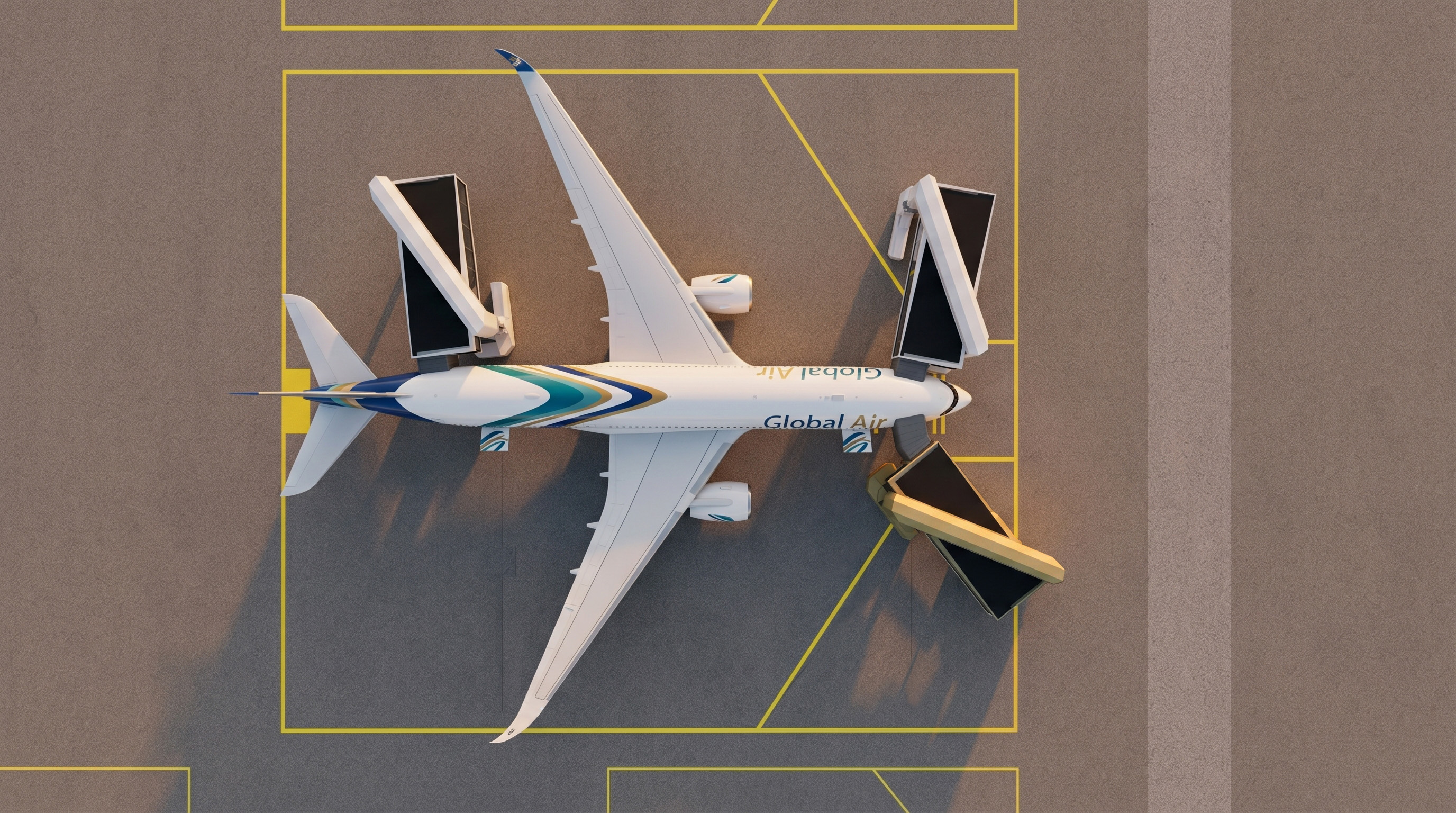
Stills: Multi-Door Docking & Enplanements
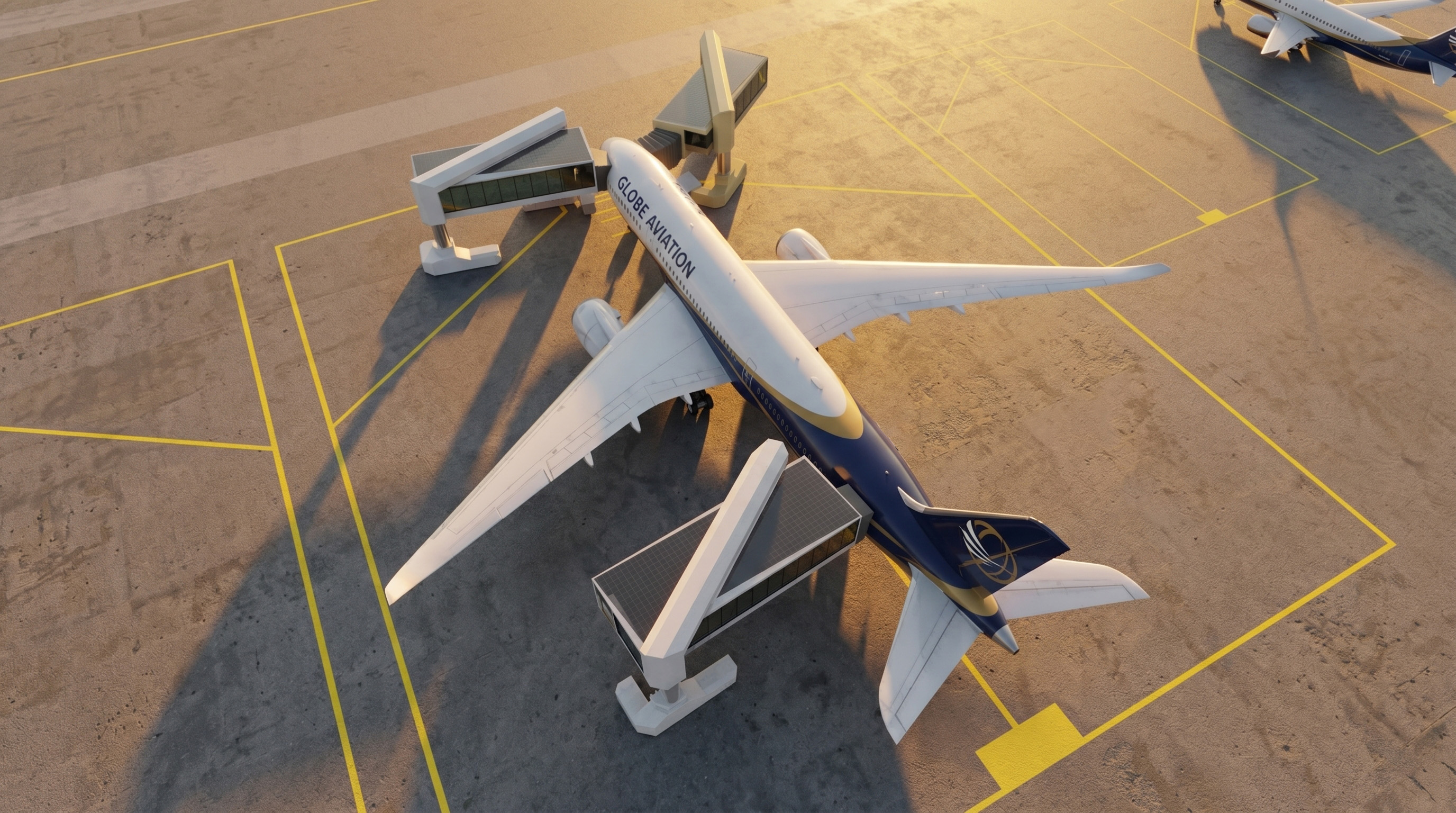
Hydraulic Lift & Rotation Demo
Dynamic demonstration of the EERO NEXUS in operation. The hydraulic system enables seamless vertical adjustment and smooth maneuvers for efficient docking/undocking.
Precision Alignment & Maneuvers
Stills: Multi-Door Docking & Enplanements
Multi-Unit Operational Simulation
Precision Alignment & Multi-Axis Maneuvers
Hydraulic Lift & Rotation Demo
Dynamic demonstration of the EERO NEXUS in operation. The hydraulic system enables seamless vertical adjustment and smooth maneuvers for efficient docking/undocking.
B738 Test Simulation at CVG
ARTICLES
What we're reading

Lambert single terminal project: Rising costs prompt design changes
Airport Economics
Infrastructure & Design
Lambert's multi-billion-dollar single terminal project has reached its 30% design milestone — and is already scaling back its gate count as rising construction costs force a rethink. The 60% design phase has slipped three months to early 2027, and construction hasn't started yet. This pattern is playing out at airports across the country: projects getting smaller, slower, and more expensive before a single shovel breaks ground. The question every airport faces is how to grow capacity without betting the balance sheet on a decade of construction. That's the question EERO was built to answer.

United Airlines pauses 10 new O’Hare routes due to FAA operation limits
Operations & Efficiency
Airline Strategy
The FAA has capped O'Hare at 2,708 daily operations through October 2027 — citing ongoing construction under the ORD 21 modernization programme, which includes a new 19-gate Concourse D, Terminal 3 renovation, and the new O'Hare Global Terminal. United has dropped 11 routes as a direct result. This is the capital trap playing out in real time: a multi-billion-dollar construction programme at one of the world's busiest airports is actively reducing the number of flights it can operate, costing airlines routes and passengers connectivity. EERO NEXUS deploys in weeks, adds gate capacity without construction, and leaves the airfield untouched. The capacity O'Hare is losing to its own renovation is exactly what EERO is designed to add back.

ICAO statement on proposed expanded scope of EU Emission Trading System
Sustainability & ESG
Operations & Efficiency
ICAO and the EU are in a direct dispute over whether regional carbon markets or the global CORSIA framework should govern aviation emissions from 2029 — a regulatory conflict that leaves airlines exposed to duplicative compliance costs and political uncertainty on both sides. EERO NEXUS operates outside that debate entirely. Emissions prevented at the source — less engine-on time, no diesel ground equipment, less terminal to build, heat, and cool — are structural reductions, not offset credits subject to regulatory arbitrage. The embodied carbon avoided by not pouring more and more concrete is a one-time but enormous gain that no offset scheme can replicate. As the CORSIA vs. EU ETS fight escalates toward 2029, the value of prevention over compliance grows with every cycle.

The Real Impact of Autonomy Will Come From Buses
AI & Data Intelligence
Operations & Efficiency
The autonomy conversation has been dominated by cars. This article argues the real impact will come from buses: high-volume, fixed-route, constrained operating environments where autonomy is both technically tractable and economically transformative. The EERO NEXUS operates in exactly this design domain: fixed routes, known terrain, controlled speeds, within one of the most complex and safety-critical environments.

The AI Nervous System Guiding Leading Airports
AI & Data Intelligence
Operations & Efficiency
BCG's research identifies five structural reasons airport AI fails: fragmented planning, data silos, unclear decision rights, poor change management, and limited data infrastructure. EERO resolves all five — not through governance programmes, but by generating unified airside data as a byproduct of its primary function.
Maximizing the airport footprint
Airport Economics
Infrastructure & Design
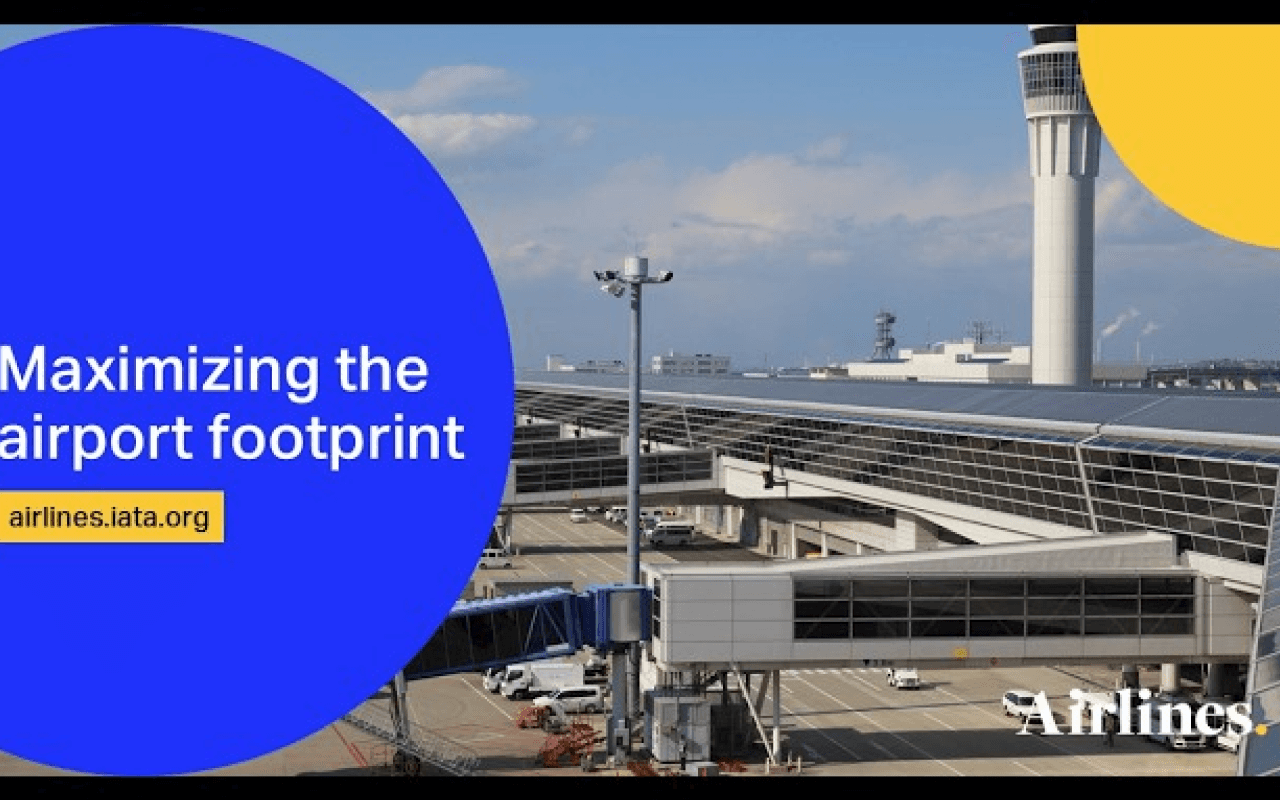
The current airport model has changed little since the 1960s: buildings designed around the airplane rather than the passenger. EERO NEXUS doesn't require more build. It transforms the existing footprint: more passengers, more turns, more revenue-generating space, from the same land.
ARTICLES
What we're reading
Lambert single terminal project: Rising costs prompt design changes
Airport Economics
Infrastructure & Design
Lambert's multi-billion-dollar single terminal project has reached its 30% design milestone — and is already scaling back its gate count as rising construction costs force a rethink. The 60% design phase has slipped three months to early 2027, and construction hasn't started yet. This pattern is playing out at airports across the country: projects getting smaller, slower, and more expensive before a single shovel breaks ground. The question every airport faces is how to grow capacity without betting the balance sheet on a decade of construction. That's the question EERO was built to answer.
United Airlines pauses 10 new O’Hare routes due to FAA operation limits
Operations & Efficiency
Airline Strategy
The FAA has capped O'Hare at 2,708 daily operations through October 2027 — citing ongoing construction under the ORD 21 modernization programme, which includes a new 19-gate Concourse D, Terminal 3 renovation, and the new O'Hare Global Terminal. United has dropped 11 routes as a direct result. This is the capital trap playing out in real time: a multi-billion-dollar construction programme at one of the world's busiest airports is actively reducing the number of flights it can operate, costing airlines routes and passengers connectivity. EERO NEXUS deploys in weeks, adds gate capacity without construction, and leaves the airfield untouched. The capacity O'Hare is losing to its own renovation is exactly what EERO is designed to add back.
ICAO statement on proposed expanded scope of EU Emission Trading System
Sustainability & ESG
Operations & Efficiency
ICAO and the EU are in a direct dispute over whether regional carbon markets or the global CORSIA framework should govern aviation emissions from 2029 — a regulatory conflict that leaves airlines exposed to duplicative compliance costs and political uncertainty on both sides. EERO NEXUS operates outside that debate entirely. Emissions prevented at the source — less engine-on time, no diesel ground equipment, less terminal to build, heat, and cool — are structural reductions, not offset credits subject to regulatory arbitrage. The embodied carbon avoided by not pouring more and more concrete is a one-time but enormous gain that no offset scheme can replicate. As the CORSIA vs. EU ETS fight escalates toward 2029, the value of prevention over compliance grows with every cycle.
The Real Impact of Autonomy Will Come From Buses
AI & Data Intelligence
Operations & Efficiency
The autonomy conversation has been dominated by cars. This article argues the real impact will come from buses: high-volume, fixed-route, constrained operating environments where autonomy is both technically tractable and economically transformative. The EERO NEXUS operates in exactly this design domain: fixed routes, known terrain, controlled speeds, within one of the most complex and safety-critical environments.
The AI Nervous System Guiding Leading Airports
AI & Data Intelligence
Operations & Efficiency
BCG's research identifies five structural reasons airport AI fails: fragmented planning, data silos, unclear decision rights, poor change management, and limited data infrastructure. EERO resolves all five — not through governance programmes, but by generating unified airside data as a byproduct of its primary function.
Maximizing the airport footprint
Airport Economics
Infrastructure & Design
The current airport model has changed little since the 1960s: buildings designed around the airplane rather than the passenger. EERO NEXUS doesn't require more build. It transforms the existing footprint: more passengers, more turns, more revenue-generating space, from the same land.
ARTICLES
What we're reading
Lambert single terminal project: Rising costs prompt design changes
Airport Economics
Infrastructure & Design
Lambert's multi-billion-dollar single terminal project has reached its 30% design milestone — and is already scaling back its gate count as rising construction costs force a rethink. The 60% design phase has slipped three months to early 2027, and construction hasn't started yet. This pattern is playing out at airports across the country: projects getting smaller, slower, and more expensive before a single shovel breaks ground. The question every airport faces is how to grow capacity without betting the balance sheet on a decade of construction. That's the question EERO was built to answer.
United Airlines pauses 10 new O’Hare routes due to FAA operation limits
Operations & Efficiency
Airline Strategy
The FAA has capped O'Hare at 2,708 daily operations through October 2027 — citing ongoing construction under the ORD 21 modernization programme, which includes a new 19-gate Concourse D, Terminal 3 renovation, and the new O'Hare Global Terminal. United has dropped 11 routes as a direct result. This is the capital trap playing out in real time: a multi-billion-dollar construction programme at one of the world's busiest airports is actively reducing the number of flights it can operate, costing airlines routes and passengers connectivity. EERO NEXUS deploys in weeks, adds gate capacity without construction, and leaves the airfield untouched. The capacity O'Hare is losing to its own renovation is exactly what EERO is designed to add back.
ICAO statement on proposed expanded scope of EU Emission Trading System
Sustainability & ESG
Operations & Efficiency
ICAO and the EU are in a direct dispute over whether regional carbon markets or the global CORSIA framework should govern aviation emissions from 2029 — a regulatory conflict that leaves airlines exposed to duplicative compliance costs and political uncertainty on both sides. EERO NEXUS operates outside that debate entirely. Emissions prevented at the source — less engine-on time, no diesel ground equipment, less terminal to build, heat, and cool — are structural reductions, not offset credits subject to regulatory arbitrage. The embodied carbon avoided by not pouring more and more concrete is a one-time but enormous gain that no offset scheme can replicate. As the CORSIA vs. EU ETS fight escalates toward 2029, the value of prevention over compliance grows with every cycle.
The Real Impact of Autonomy Will Come From Buses
AI & Data Intelligence
Operations & Efficiency
The autonomy conversation has been dominated by cars. This article argues the real impact will come from buses: high-volume, fixed-route, constrained operating environments where autonomy is both technically tractable and economically transformative. The EERO NEXUS operates in exactly this design domain: fixed routes, known terrain, controlled speeds, within one of the most complex and safety-critical environments.
The AI Nervous System Guiding Leading Airports
AI & Data Intelligence
Operations & Efficiency
BCG's research identifies five structural reasons airport AI fails: fragmented planning, data silos, unclear decision rights, poor change management, and limited data infrastructure. EERO resolves all five — not through governance programmes, but by generating unified airside data as a byproduct of its primary function.
Maximizing the airport footprint
Airport Economics
Infrastructure & Design
The current airport model has changed little since the 1960s: buildings designed around the airplane rather than the passenger. EERO NEXUS doesn't require more build. It transforms the existing footprint: more passengers, more turns, more revenue-generating space, from the same land.